
Why Mentorship Still Matters — and Why It Starts with Us
Across schools and systems, veteran teachers are doing some of the profession’s most important work—often quietly. Beyond curriculum and classrooms, they hold culture, preserve professional memory, and provide steadiness in uncertain times. And more often than not, they mentor early career teachers—not because they are told to, but because their experience, judgment, and care naturally draw others toward them.
Sometimes this role is formal. Often it is not. Many veteran teachers find themselves mentoring simply because they are steady, trusted, and still care deeply about the profession. Yet despite the importance of mentorship, few of us were ever taught how to mentor—let alone invited to reflect on who we are when we do.
This six-part blog series grows out of that gap.
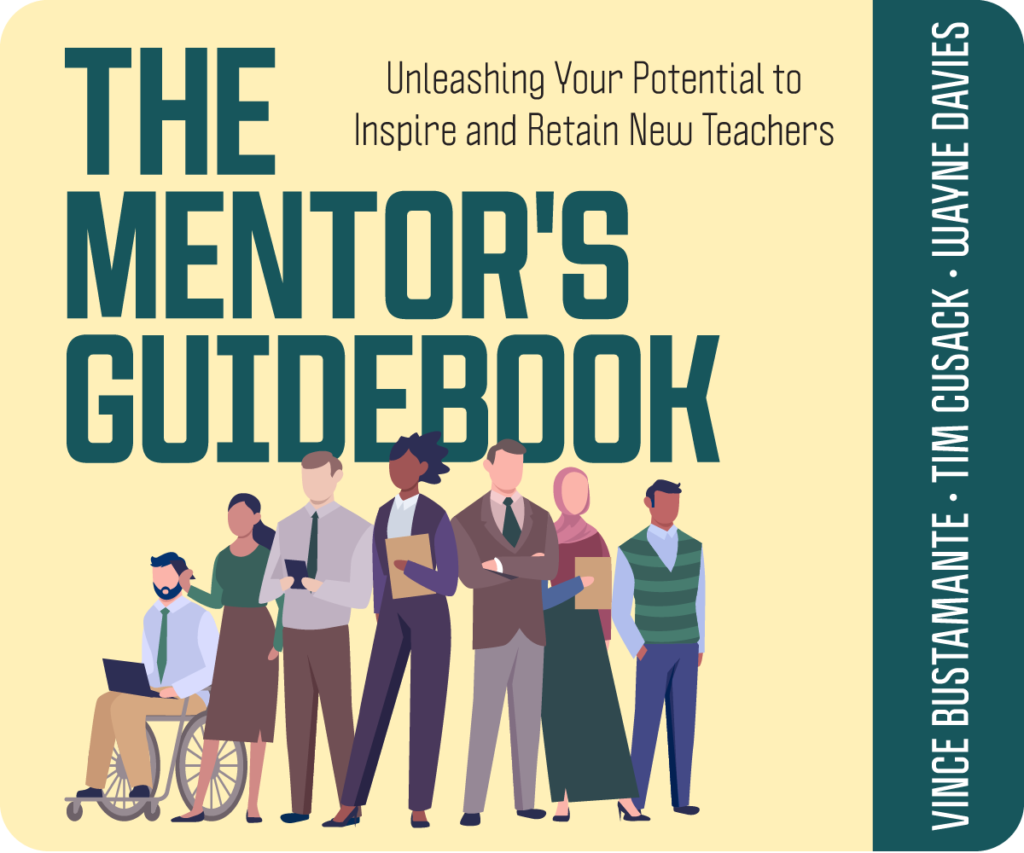
Drawing on the ideas at the heart of The Mentor’s Guidebook: Unleashing Your Potential to Inspire and Retain New Teachers, this series is written for experienced teachers who want to mentor with greater clarity, confidence, and intention.
These posts are not about checklists, programs, or compliance. They are about relationships, support, developing professional identity and the everyday decisions mentors make that quietly shape whether a new teacher feels capable, connected, and committed to staying.
Over the course of the series, we explore:
- Why effective mentorship begins with self-awareness and the “who” before the “do”
- How mentors adapt their approach as new teachers’ needs evolve
- The role of trust, belonging, and school culture in teacher growth
- What it means to build and sustain mentorship momentum over time
- Why mentorship is, ultimately, a moral and professional responsibility
At a time when many new teachers are questioning whether they belong in the profession, mentors play a decisive role in shaping that answer.
If you have ever stayed late to check in on a colleague, answered a “quick question” that wasn’t so quick, or quietly helped someone find their footing, this series is for you.
Mentorship is not an add-on to teaching. It is one of the ways we ensure the profession endures.
NOTE
This series draws on ideas from The Mentor’s Guidebook: Unleashing Your Potential to Inspire and Retain New Teachers (Corwin, 2025).
Written for teachers who mentor teachers, the book invites experienced educators to reflect on their identity, approach, and impact
as mentors — and to see mentorship as essential work for sustaining the profession.